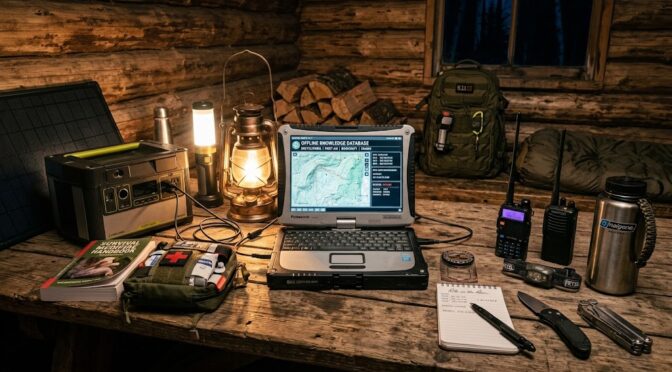
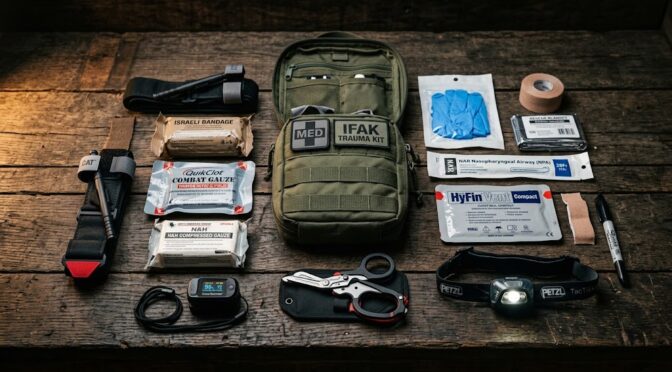
For decades, the standard prepper playbook revolved around the classic triad: beans, bullets, and bandages. Traditional preparedness meant stacking shelves with freeze-dried rations, stocking water filtration units, keeping spare fuel in the shed, and having a bug-out bag ready by the door.
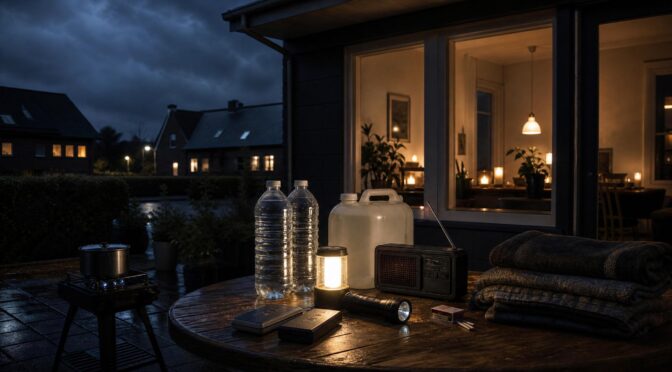
A major power outage does not have to be an apocalypse to become a real problem. If the grid is down for a few hours, it is inconvenient. If it lasts for days, heating, cooking, communication, payment systems, refrigeration, medical devices and even water supply can suddenly become very practical problems. The good news is that you do not need a roof full of solar panels or an expensive battery wall to be much better prepared.
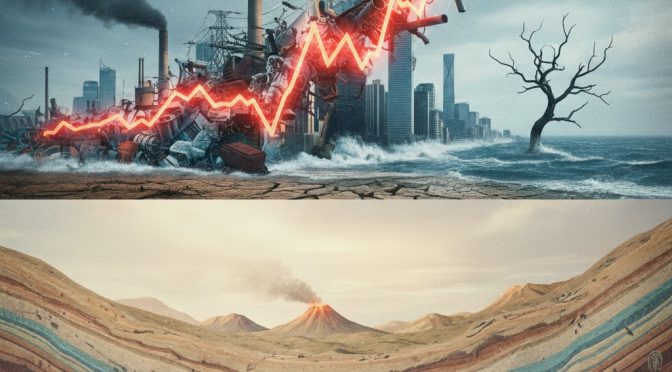
It’s a common refrain in coffee shops and online forums: “The climate has always changed. Why are we panicking now?”. History backs this up. Thousands of years ago, the Sahara was green. Millions of years ago, crocodiles swam in the Arctic. Earth is a dynamic system that has cycled through deep freezes and scorching hothouses long before humans ever struck a match.